Summary
Paying for Assisted Living without selling your house is possible through multiple financial strategies that preserve one of your family's most valuable assets. Exploring your options early gives your family greater flexibility and peace of mind during this important transition.
- Reverse mortgages allow homeowners age 62+ to convert home equity into cash through lump sum payments, monthly income, or a line of credit without requiring a home sale
- Home equity lines of credit (HELOC) and bridge loans provide flexible access to funds, with bridge loans typically offering six to 12 months for repayment after a future home sale
- Veterans Aid and Attendance benefits can help eligible veterans and surviving spouses offset Assisted Living costs through monthly financial assistance
- Renting your home generates income to cover care expenses while you retain ownership, though property management costs and tax implications should be considered
- Long-term care insurance policies, life insurance riders, and combined funding sources create a sustainable financial strategy for quality care
Many families face a common dilemma when considering assisted living: how to afford quality support while preserving the family home. Whether you're hoping to keep the house for a spouse who still lives there, maintain it as a family asset, or simply need more time before making a major financial decision, selling immediately isn't your only option. Several strategies can help you pay for assisted living without selling the house right away.
Understanding your assisted living payment options early gives your family greater flexibility and peace of mind. From government benefits to home equity solutions, there are several ways to finance senior care without a home sale while protecting one of your most valuable assets.
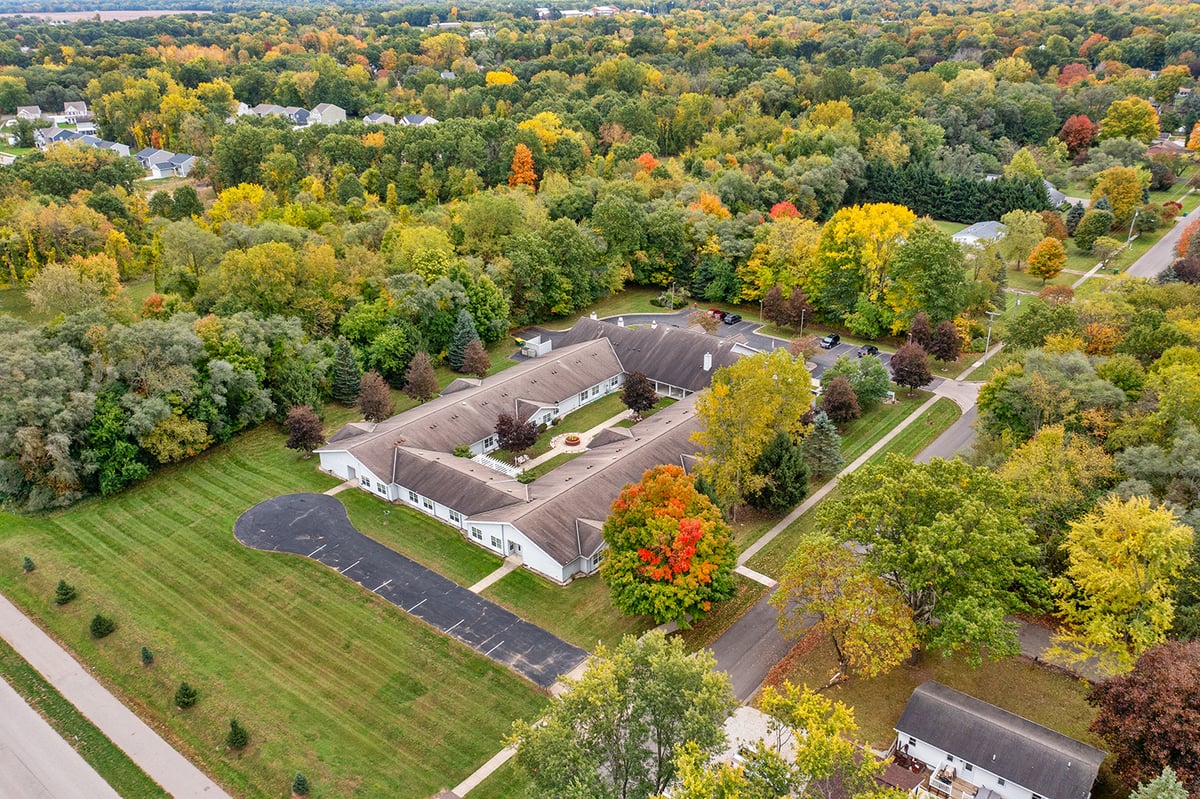
For families considering LakeHouse Three Rivers, planning ahead can make the transition feel much less overwhelming and allow you to focus on finding the right level of support.
Exploring Reverse Mortgages as a Payment Solution
A reverse mortgage allows homeowners age 62 or older to convert home equity into cash without selling their property. Monthly mortgage payments aren't required, and the balance generally becomes due when the home is sold or the borrower no longer lives there. This option can be especially helpful if you're hoping to keep the family home while in assisted living because a spouse or another qualifying resident still lives there.
Funds are typically available in several ways:
- Lump sum payment for immediate expenses
- Monthly payments for predictable income
- Line of credit to draw funds as needed
Many families choose the line of credit option because it provides flexibility while preserving the home. Keep in mind that interest accrues over time, reducing the amount of equity that may eventually be passed on to heirs.
Before choosing this strategy, meet with a financial advisor or housing counselor who specializes in senior planning. They can explain the requirements and help determine whether a reverse mortgage supports your long-term financial goals.
Using Home Equity Lines for Care Costs
A home equity line of credit (HELOC) or bridge loan for senior living provides another way to access your home's value without selling it immediately. These options work well for families who expect to sell the home eventually but need additional time to prepare the property or wait for favorable market conditions. A HELOC provides flexible access to funds, while a bridge loan for senior living typically offers a lump sum that is repaid after the home is sold.
Bridge loans designed for senior living transitions often have repayment terms of six to 12 months, giving families time to make thoughtful decisions instead of feeling rushed. Some even use this period to complete repairs or updates that may improve the home's value before listing it for sale.
Because these loans involve borrowing against your home's equity, be sure to compare interest rates, repayment terms, and fees before deciding which option best fits your family's needs.
Maximizing Veterans Aid and Attendance Benefits
Eligible veterans and surviving spouses may qualify for the veterans Aid and Attendance benefits, which can help offset the cost of assisted living. This enhanced pension benefit provides monthly financial assistance that can reduce out-of-pocket expenses without requiring you to sell your home.
The application process generally requires:
- Documentation of military service
- Current financial information
- Proof of the need for assistance
Although approval can take several months, benefits are often paid retroactively to the application date. Working with an accredited veterans service officer can help simplify the process and ensure the required documentation is complete.
How Renting Your Home Can Generate Income
Renting the family home can create a dependable income stream that helps cover monthly assisted living costs while allowing you to retain ownership. This option works particularly well in strong rental markets where monthly rent can offset a significant portion of care expenses.
Some families hire a property management company to oversee maintenance, tenant communication, and rent collection, reducing the day-to-day responsibilities during an already busy transition. Others choose to manage the property themselves to maximize rental income.
Before renting, consider insurance requirements, taxes, maintenance expenses, and how rental income could affect eligibility for certain financial assistance programs.
Considering Long-Term Care Insurance Options
If your family already has long-term care insurance, review the policy carefully to understand what services are covered. Many policies help pay for assisted living expenses, reducing the need to rely on savings or home equity.
Some life insurance policies may also provide financial flexibility through:
- Accelerated death benefit riders
- Life settlement options
- Hybrid life insurance policies with long-term care riders
Understanding these benefits before they're needed allows families to make informed financial decisions rather than reacting during a crisis.
Creating a Comprehensive Financial Strategy
The most successful approach often combines several funding sources rather than relying on just one. When exploring options for financing senior care without a home sale, compare monthly care costs with available income, savings, insurance benefits, veterans benefits, and home equity resources.
As you evaluate communities, remember to consider everything included in the monthly cost. At LakeHouse Three Rivers, residents enjoy chef-prepared meals, housekeeping, scheduled transportation, engaging daily programs, and personalized support in a warm, neighborly setting. Those included services can make budgeting more predictable while giving families confidence that their loved one is receiving the support they need.
You may also benefit from speaking with a financial planner who understands senior living expenses and can help you compare different scenarios. With thoughtful planning and the right combination of resources, it's possible to preserve your home while creating a comfortable, sustainable plan for the future.
Learn more about LakeHouse Three Rivers and schedule a tour to see how our community can support your family while helping you plan confidently for the future.